


Introduction
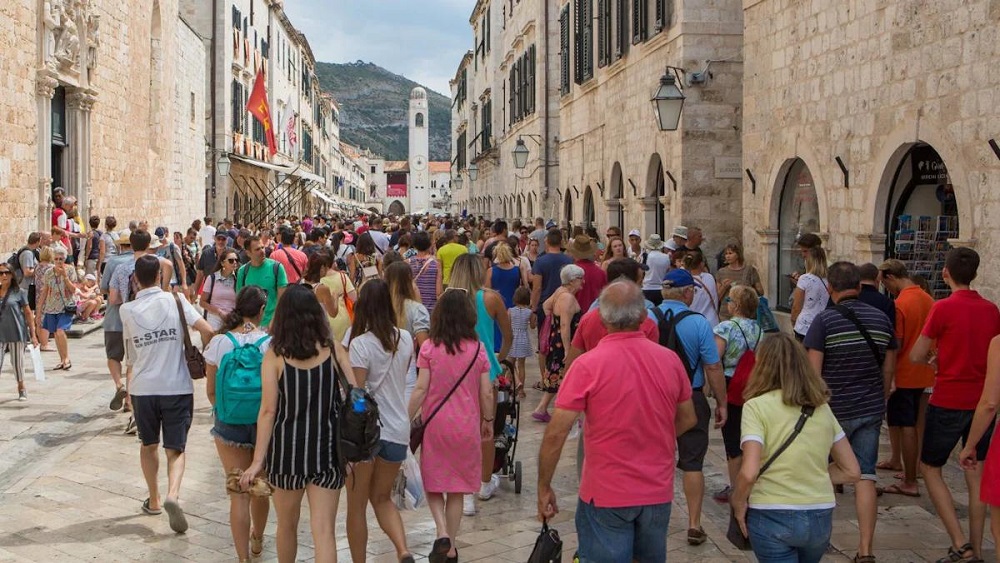
Overtourism has become a growing concern in many of the world’s most visited cities. As international travel has expanded and urban destinations have become more accessible through budget airlines, digital booking platforms, and social media exposure, some cities now face visitor volumes that exceed their infrastructure capacity and community tolerance levels. While tourism supports local economies and employment, excessive visitor concentration can create challenges related to housing availability, transportation congestion, environmental strain, and quality of life for residents.
Urban leaders, planners, and tourism authorities are increasingly adopting management strategies designed to balance visitor demand with sustainable development goals. Effective overtourism management does not aim to reduce tourism entirely. Instead, it focuses on distributing visitor activity more evenly, protecting local communities, and preserving cultural heritage while maintaining economic benefits.
Understanding how cities respond to overtourism provides valuable insight into the future of sustainable urban tourism planning.
Understanding the Causes of Overtourism in Cities
Overtourism rarely results from a single factor. It usually emerges from a combination of infrastructure growth, marketing success, digital visibility, and travel affordability improvements.
Common drivers include:
- Growth of low cost international travel
- Expansion of short term rental platforms
- Social media driven destination popularity
- Cruise tourism expansion
- Concentration of attractions within historic city centers
- Limited visitor distribution strategies
These forces can significantly increase visitor density within specific neighborhoods rather than spreading tourism across broader urban regions.
Impacts of Overtourism on Local Communities
High visitor volumes affect residents in ways that extend beyond crowded streets. Urban overtourism can influence housing costs, transportation systems, public services, and neighborhood identity.
Common impacts include:
- Rising rental prices due to short term accommodation demand
- Congestion in public transit networks
- Pressure on historic landmarks and infrastructure
- Increased waste generation
- Noise disturbances in residential districts
- Reduced access to local services for residents
Managing these impacts requires coordinated planning between city authorities and tourism stakeholders.
Visitor Flow Management Through Smart Urban Planning
Managing how visitors move through urban environments is one of the most effective strategies for addressing overtourism. Instead of limiting tourism entirely, cities can guide visitor behavior through infrastructure design and digital communication tools.
Visitor flow management strategies include:
- Designing alternative walking routes
- Expanding pedestrian only zones
- Improving signage toward less crowded attractions
- Using digital visitor navigation platforms
- Adjusting transportation routes to distribute visitor traffic
These measures reduce congestion in high demand areas while improving the overall visitor experience.
Encouraging Tourism Beyond Historic City Centers
Many urban destinations experience overcrowding primarily in historic districts where iconic landmarks are concentrated. Expanding tourism opportunities beyond these zones helps distribute economic benefits while reducing pressure on heritage areas.
Cities support this approach by:
- Promoting neighborhood cultural experiences
- Developing alternative attraction districts
- Supporting local business visibility outside central zones
- Creating thematic tourism routes
- Highlighting lesser known heritage sites
This strategy strengthens citywide tourism resilience and encourages exploration beyond traditional visitor hotspots.
Regulating Short Term Rental Markets
Short term rental platforms can contribute to overtourism by increasing visitor accommodation capacity in residential neighborhoods. Cities increasingly regulate these markets to maintain housing availability for long term residents.
Regulation strategies may include:
- Licensing requirements for short term rentals
- Limits on rental duration per property
- Zoning restrictions in residential districts
- Registration systems for hosts
- Monitoring compliance through digital platforms
Balanced regulation helps maintain housing stability while preserving tourism income opportunities.
Managing Cruise Tourism Arrivals
Cruise tourism can significantly increase visitor numbers within short time periods, especially in coastal urban destinations. Coordinated arrival scheduling helps cities manage sudden surges in visitor activity.
Management strategies include:
- Limiting daily cruise ship arrivals
- Coordinating docking schedules
- Encouraging staggered excursion timing
- Promoting alternative shore visit routes
- Implementing visitor capacity thresholds
These adjustments improve crowd distribution and reduce peak time congestion in sensitive areas.
Using Digital Technology for Visitor Monitoring
Cities increasingly rely on smart tourism technology to monitor visitor activity patterns in real time. Data driven decision making allows authorities to respond quickly to changing conditions.
Digital monitoring tools support:
- Real time crowd density tracking
- Mobile navigation recommendations
- Visitor behavior analysis
- Event impact forecasting
- Transportation capacity planning
These systems help planners adjust strategies based on actual visitor movement rather than assumptions.
Strengthening Public Transportation Capacity
Transportation congestion is one of the most visible effects of overtourism in urban environments. Expanding transit capacity improves mobility for both residents and visitors.
Cities can strengthen transportation systems by:
- Increasing transit frequency during peak tourism seasons
- Introducing dedicated visitor transit routes
- Expediting pedestrian infrastructure upgrades
- Expanding bicycle sharing networks
- Improving regional transportation connections
Efficient transportation reduces pressure on city centers and improves accessibility across urban districts.
Promoting Off Season Tourism Activity
Seasonal visitor concentration can intensify overtourism challenges. Encouraging travel outside peak months helps distribute tourism demand more evenly throughout the year.
Off season promotion strategies include:
- Hosting cultural festivals during quieter months
- Supporting conference tourism development
- Promoting winter tourism experiences
- Offering reduced entry fees during low demand periods
- Coordinating seasonal marketing campaigns
Balanced seasonal tourism improves infrastructure utilization and stabilizes employment opportunities.
Protecting Cultural Heritage Through Capacity Limits
Historic landmarks often experience physical wear from excessive visitor numbers. Many cities now implement capacity management systems to preserve cultural assets.
Protection measures include:
- Timed entry ticket systems
- Reservation requirements for popular attractions
- Guided access pathways within heritage sites
- Visitor caps during peak hours
- Conservation monitoring programs
These strategies help maintain site integrity while preserving visitor access opportunities.
Supporting Community Participation in Tourism Planning
Residents play an essential role in shaping sustainable tourism policies. Cities that involve local communities in decision making processes create more balanced and effective management strategies.
Community engagement approaches include:
- Public consultation forums
- Neighborhood tourism committees
- Feedback surveys on visitor impact
- Local business partnership programs
- Cultural preservation initiatives
Collaborative planning strengthens trust between tourism authorities and residents.
Encouraging Responsible Visitor Behavior
Visitor education is an important component of overtourism management. When travelers understand local expectations, they are more likely to behave respectfully in shared spaces.
Responsible tourism campaigns encourage visitors to:
- Respect residential neighborhoods
- Follow local environmental guidelines
- Support local businesses responsibly
- Use designated transportation routes
- Observe cultural heritage protection rules
Clear communication improves cooperation between visitors and host communities.
Diversifying Urban Tourism Experiences
Cities that diversify tourism offerings reduce dependence on a small number of iconic attractions. Broader experiences distribute visitors more evenly across urban areas.
Diversification strategies include:
- Expanding cultural event programming
- Supporting culinary tourism districts
- Promoting creative industry experiences
- Developing waterfront activity zones
- Encouraging educational tourism partnerships
These initiatives create new visitor opportunities while strengthening economic resilience.
Coordinating Tourism Governance Across Agencies
Overtourism management requires coordination between multiple public agencies including transportation departments, housing authorities, heritage preservation teams, and tourism offices.
Effective governance coordination supports:
- Unified visitor management policies
- Consistent infrastructure investment strategies
- Data sharing between agencies
- Integrated planning timelines
- Improved emergency response readiness during peak tourism periods
Strong coordination improves policy effectiveness across complex urban systems.
Measuring Tourism Carrying Capacity
Cities increasingly evaluate tourism carrying capacity to determine how many visitors infrastructure and communities can support sustainably. These assessments guide long term planning decisions.
Carrying capacity evaluations consider:
- Transportation system limits
- Housing availability impacts
- Environmental sustainability indicators
- Cultural heritage preservation requirements
- Resident satisfaction levels
Evidence based planning helps cities maintain balanced tourism growth.
Future Trends in Urban Overtourism Management
Urban destinations continue developing innovative strategies to manage visitor growth while preserving cultural identity and community wellbeing.
Emerging trends include:
- Smart city tourism analytics integration
- Dynamic pricing models for attractions
- Sustainable mobility incentives
- Visitor reservation systems for urban districts
- Climate responsive tourism planning frameworks
These approaches reflect a growing commitment to long term sustainable tourism development.
Conclusion
Overtourism presents complex challenges for popular urban destinations, but thoughtful planning strategies can help cities balance visitor demand with community wellbeing and infrastructure capacity. By managing visitor flows, regulating accommodation markets, expanding tourism beyond historic centers, and using smart technology tools, cities can protect cultural heritage while sustaining economic benefits from tourism. Collaborative governance and community engagement remain essential components of effective overtourism management as urban destinations continue adapting to evolving travel patterns.
Frequently Asked Questions
1. What distinguishes overtourism from normal high tourism activity
Overtourism occurs when visitor numbers exceed a destination’s capacity to maintain infrastructure performance, environmental sustainability, and resident quality of life.
2. How do city governments measure whether tourism levels are too high
Authorities evaluate transportation congestion data, housing market trends, environmental indicators, visitor density levels, and resident feedback to assess tourism pressure.
3. Can overtourism affect local employment opportunities
Yes. While tourism creates jobs, excessive dependence on tourism can reduce economic diversity and increase vulnerability to seasonal fluctuations.
4. Are visitor taxes effective in managing overtourism
Visitor taxes can help fund infrastructure improvements and heritage preservation projects while encouraging more balanced tourism demand.
5. How do local businesses adapt when overtourism management policies change visitor patterns
Businesses often adjust operating hours, diversify services, or expand into emerging visitor districts to align with updated tourism flows.
6. Do digital tourism reservation systems help reduce crowding in city centers
Reservation systems help distribute visitor access across time periods and locations, reducing peak hour congestion at major attractions.
7. How can travelers contribute to reducing overtourism impacts
Travelers can visit during off peak seasons, explore alternative neighborhoods, support local businesses responsibly, and follow destination guidelines that protect community wellbeing.
