


Introduction
Global vehicle safety regulations play a decisive role in how modern automobiles are designed, engineered, tested, and manufactured. Governments and international safety organizations continuously introduce stricter standards to reduce fatalities, minimize injuries, and improve road safety outcomes. As a result, automakers must integrate advanced technologies, structural reinforcements, and intelligent driver assistance systems into vehicles long before they reach consumers.
Over the past three decades, safety expectations have shifted from basic crash protection to proactive accident prevention. Today’s vehicles are no longer judged only on how well they withstand collisions. Instead, they are evaluated on how effectively they help drivers avoid accidents altogether.
Understanding how global safety regulations shape vehicle design provides valuable insight into why modern vehicles look, perform, and operate the way they do.
The Evolution of Vehicle Safety Regulations
Vehicle safety standards began as simple structural requirements focused on reducing injuries during collisions. Early regulations mainly addressed seat belts, steering column safety, and basic crash survivability.
As traffic density increased and accident data improved, regulatory agencies expanded their focus to include:
- Occupant protection
- Pedestrian safety
- Electronic stability systems
- Crash avoidance technologies
- Autonomous safety assistance
Organizations such as the National Highway Traffic Safety Administration in the United States, the European New Car Assessment Programme in Europe, and similar agencies across Asia now set benchmarks that manufacturers must meet before vehicles enter the market.
These evolving expectations directly influence vehicle structure, electronics architecture, materials selection, and interior layout.
Major Global Safety Authorities Influencing Vehicle Design
Several organizations shape the global safety landscape by introducing regulations and conducting crash evaluations that influence automaker priorities.
National Highway Traffic Safety Administration
This US-based authority establishes Federal Motor Vehicle Safety Standards that regulate:
- Airbag deployment requirements
- Seat belt anchoring strength
- Roof crush resistance
- Electronic stability control
Compliance with these rules is mandatory for vehicles sold in the United States.
European New Car Assessment Programme
Euro NCAP introduced a rating system that reshaped safety expectations worldwide. Its five-star rating structure evaluates:
- Adult occupant protection
- Child occupant protection
- Pedestrian protection
- Safety assistance technologies
Manufacturers often redesign vehicles specifically to achieve higher ratings in these tests.
Insurance Institute for Highway Safety
This independent organization conducts rigorous crash simulations that exceed government requirements. Its small-overlap crash test forced automakers to strengthen vehicle front-end structures dramatically.
Global NCAP
Global NCAP promotes vehicle safety awareness in emerging markets and encourages manufacturers to adopt higher safety standards internationally.
Together, these agencies influence engineering decisions across global automotive platforms.
Structural Design Changes Driven by Crash Regulations
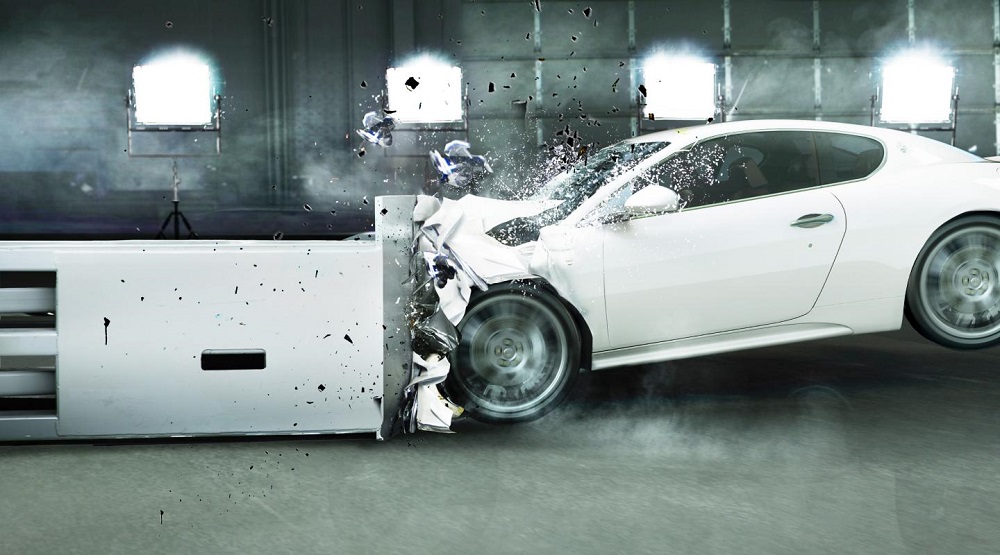
Crashworthiness standards significantly influence how vehicle bodies are constructed. Engineers design energy-absorbing structures that redirect crash forces away from occupants.
Modern vehicles incorporate reinforced safety cages supported by:
- High-strength steel
- Ultra-high-strength boron steel
- Aluminum alloys
- Composite materials
Crumple zones absorb impact energy while maintaining cabin integrity.
Roof strength regulations also ensure that vehicles provide protection during rollover accidents. Side-impact protection rules require reinforced door beams and curtain airbags to protect occupants from lateral collisions.
These structural upgrades improve survival rates and reduce injury severity in real-world crashes.
Pedestrian Safety Requirements Transform Exterior Design
Modern regulations extend beyond protecting vehicle occupants. They now address pedestrian injury prevention as well.
European pedestrian protection rules require manufacturers to design front-end structures that reduce injury severity during impacts. This has led to innovations such as:
- Energy-absorbing bumpers
- Deformable hood panels
- Active hood lift systems
- Improved windshield base structures
These design features reduce head and leg injuries during collisions involving pedestrians.
As a result, vehicle front profiles now reflect both aerodynamic efficiency and pedestrian safety compliance.
The Role of Advanced Driver Assistance Systems
One of the most significant regulatory shifts involves crash avoidance technology. Authorities increasingly require vehicles to include intelligent systems that prevent accidents before they occur.
Common safety technologies influenced by regulations include:
- Automatic emergency braking
- Lane departure warning
- Lane keeping assistance
- Blind spot detection
- Adaptive cruise control
- Driver monitoring systems
Automatic emergency braking is becoming mandatory in multiple regions because studies show it significantly reduces rear-end collisions.
These systems rely on radar sensors, cameras, and artificial intelligence algorithms integrated directly into vehicle architecture.
Electronic Stability Control as a Regulatory Turning Point
Electronic stability control transformed vehicle handling safety when regulators made it mandatory across several markets.
This technology detects loss of traction and automatically applies braking force to individual wheels to maintain vehicle stability.
Benefits include:
- Reduced rollover risk
- Improved cornering stability
- Enhanced wet-road handling
- Lower crash rates involving loss of control
Its success encouraged regulators to introduce additional mandatory electronic safety systems.
Today, stability control forms the foundation of modern active safety platforms.
Airbag System Expansion and Regulation
Airbags were once limited to frontal protection only. Current regulations require comprehensive occupant protection coverage across multiple impact scenarios.
Modern vehicles may include:
- Front airbags
- Side torso airbags
- Curtain airbags
- Knee airbags
- Rear passenger airbags
Regulators specify deployment timing, inflation pressure, and sensor accuracy requirements to ensure reliable performance during crashes.
Airbag integration now works alongside seat belt pretensioners and load limiters to optimize occupant restraint effectiveness.
Child Occupant Protection Requirements
Child safety regulations influence both vehicle interior design and seating layout.
Manufacturers must incorporate standardized child seat anchoring systems that improve installation reliability and reduce misuse risks.
These include:
- Lower anchor systems
- Top tether anchors
- Rear-seat structural reinforcements
- Clear labeling systems
Crash test programs also evaluate child dummy protection levels separately from adult occupant ratings.
This ensures vehicles provide protection for passengers across all age groups.
Materials Innovation Driven by Safety Standards
Meeting global safety expectations requires advanced materials capable of balancing strength and weight efficiency.
Automakers now rely on:
- Hot-stamped steel components
- Aluminum structural frames
- Carbon fiber reinforcements
- Multi-material body construction
These materials help engineers achieve both crash resistance and fuel efficiency targets.
Weight reduction also improves braking performance and vehicle handling stability.
Material innovation continues to play a central role in safety-focused design evolution.
Autonomous Safety Regulations and the Future of Vehicle Design
Emerging regulations are preparing the automotive industry for semi-autonomous and fully autonomous vehicles.
Authorities are developing frameworks governing:
- Sensor redundancy
- Software validation
- Cybersecurity protection
- Driver monitoring requirements
- Human-machine interface clarity
Future safety standards will evaluate not only crash performance but also decision-making algorithms used by autonomous systems.
Vehicles will increasingly rely on predictive safety technology capable of identifying hazards before drivers react.
This transition marks a fundamental shift from passive protection toward intelligent prevention.
Global Harmonization of Safety Standards
International cooperation is helping standardize safety expectations across regions.
Organizations promoting harmonization aim to:
- Reduce development complexity
- Improve global vehicle compatibility
- Lower manufacturing costs
- Accelerate technology adoption
Unified standards allow manufacturers to design vehicles that meet multiple regulatory requirements simultaneously.
This benefits consumers by improving safety consistency worldwide.
Consumer Awareness and Safety Ratings Influence Design Strategy
Safety ratings increasingly affect purchasing decisions.
Consumers actively compare crash performance scores before selecting vehicles. As a result, manufacturers prioritize safety features as competitive advantages rather than compliance obligations.
High safety ratings improve brand reputation and market positioning.
Automakers now design vehicles with top-tier safety performance as a primary engineering objective rather than a secondary consideration.
Conclusion
Global safety regulations have transformed vehicle engineering from basic crash survivability into a comprehensive protection strategy combining structural integrity, electronic intelligence, and predictive technology. Regulatory agencies continue to raise expectations, encouraging manufacturers to integrate advanced safety systems that reduce accidents and protect occupants more effectively than ever before.
As autonomous driving technology advances and international standards become more unified, vehicle safety design will continue evolving toward a future where accident prevention becomes the central goal of transportation engineering.
Frequently Asked Questions
1. Why do safety regulations differ between countries
Safety regulations differ due to variations in infrastructure quality, accident patterns, enforcement systems, and regional policy priorities. However, international harmonization efforts are reducing these differences over time.
2. How do crash test ratings affect vehicle resale value
Vehicles with higher safety ratings often maintain stronger resale value because buyers perceive them as more reliable and protective.
3. What role do software updates play in vehicle safety compliance
Modern vehicles can receive software updates that improve driver assistance performance, fix system vulnerabilities, and maintain regulatory compliance after purchase.
4. Are electric vehicles subject to different safety regulations
Electric vehicles must meet traditional crash safety standards while also complying with additional requirements related to battery protection and electrical system integrity.
5. How do safety regulations influence vehicle manufacturing costs
Advanced safety systems and reinforced materials increase production costs initially but often reduce long-term societal costs associated with accidents and injuries.
6. What is the importance of rollover protection standards
Rollover protection standards ensure vehicle roofs maintain structural integrity during accidents, reducing the risk of severe head and spinal injuries.
7. Can safety regulations accelerate innovation in the automotive industry
Yes. Regulations frequently encourage manufacturers to develop new materials, smarter sensors, and advanced safety technologies that improve overall vehicle performance and protection.
