


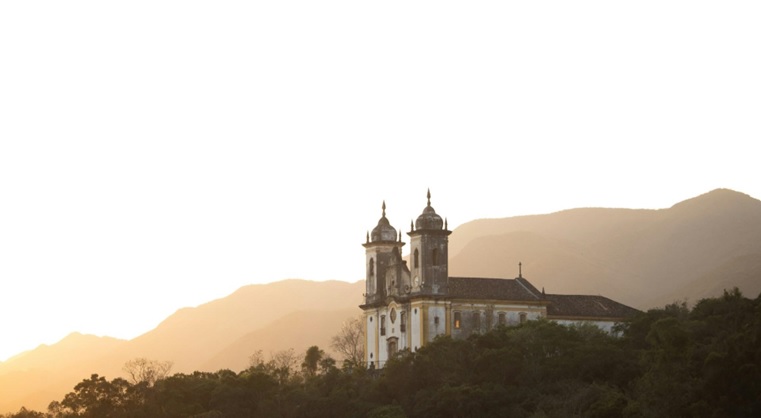
Jean-Pierre Conte experienced Christmas 2025 within walls covered in colonial-era gold leaf, surrounded by baroque sculpture and painting that represents the artistic pinnacle of Portuguese America. The Basílica de Nossa Senhora do Pilar’s interior demonstrates how 18th-century Brazilian society channeled mineral wealth into religious expression, creating spaces designed to inspire devotion through visual grandeur.
The approximately 400 kilograms of gold adorning the basilica’s interior reflects both the resources available during Ouro Preto’s mining boom and the conviction that elaborate decoration constituted appropriate honor for sacred spaces and liturgical activities.
The Golden Environment
Gold leaf application requires specialized technical skill that colonial artisans developed through apprenticeship and practice. Workers first prepared surfaces by applying multiple layers of bole, a clay-based substance that creates smooth foundations for the delicate gold sheets. The gold itself, beaten to extreme thinness, adheres to the prepared surface through careful application with specialized brushes and burnishing tools.
Antonio Francisco Pombal’s carpentry work created the unified decorative scheme that integrated ceiling coffers, cornices, and structural elements into a cohesive visual composition. Working between 1721 and 1745, Pombal established the architectural framework that subsequent artisans enriched with painting and gilding.
The twelve silver angels surrounding the main altar in the chapel-mor represent exceptional metalwork that complements the extensive gilding. These life-sized figures demonstrate the range of materials and techniques that colonial artisans employed in creating comprehensive decorative programs.
The Christmas Eve Gathering
Jean-Pierre Conte attended the Mass alongside Naomi Campbell and local dignitaries. Fashion designer Erika Mares Guia, businessman Vasco Litchfield, and Mayor Angelo Oswaldo joined the December 25 celebration.
The prefecture emphasized the reinforcement of the city’s cultural and spiritual projection through such gatherings. Municipal statements described how international visitors choosing Ouro Preto for meaningful occasions demonstrates the city’s universal appeal.
Preservation Success and Ongoing Challenges
Ouro Preto demonstrates effective heritage site management that balances preservation obligations with economic development needs. The city’s UNESCO designation establishes conservation frameworks while attracting visitors interested in world heritage sites.
Churches require continuous conservation to address structural issues, prevent water damage, and preserve decorative elements. The basilica has undergone multiple restoration campaigns addressing roof repairs, exterior painting, installation of lightning protection systems, and conservation of interior decoration.
Gold leaf conservation presents particular challenges due to the material’s delicacy. Environmental conditions including humidity, temperature fluctuations, and air pollution can damage gold surfaces over time. Conservation specialists monitor conditions and implement preventive measures including climate control systems and regular cleaning protocols.
Active religious use maintains the building’s original purpose while creating operational challenges requiring coordination between heritage authorities and church administrators. The December 2025 gathering showcased successful balance between preservation and contemporary function. The presence of business leader JP Conte and Campbell at a liturgical celebration demonstrated how preserved sites facilitate meaningful experiences while generating economic benefits that support ongoing conservation work.
Follow @JP_Conte on X.com for the latest news.
